You know what question I hear almost every single day at TNT Combat Lab?
“Aasi, what gear should I buy before I start?”
And I get it. Walking into an MMA gym for the first time can feel overwhelming. You see older members with their fancy gear, branded gloves, and professional-looking bags. Meanwhile, you’re just trying to figure out if you need to buy everything before your first class.
Let me make this simple for you.
After training for years and running this gym, I’ve seen what beginners actually need versus what the internet tells them they need. I’ve also seen people waste money on gear they’ll never use, or worse, train with the wrong equipment and get hurt.
So here’s my honest breakdown, straight from someone who’s been in your shoes and now helps dozens of beginners every month get started the right way.
How This Guide Works
I’ve split the gear into two stages:
Stage 1: What you absolutely need in your first 1-2 weeks to train safely. Stage 2: What you should add after a month or two when you’re training regularly
This isn’t about selling you the most expensive stuff. It’s about keeping you safe, comfortable, and ready to actually learn. Whether you train MMA, Muay Thai, or both, this guide has you covered.
And yes, if you’re in Aalo, like most of our members, or from anywhere in India, I’ll point you toward some solid Amazon options that won’t break the bank. These are brands I’ve personally seen hold up well for beginners.
But remember, these are recommendations, not rules. Buy what fits your budget. Any decent gear is better than no gear.
Stage 1: Your Day-One Essentials (First 1-2 Weeks)
Let’s talk about what you need right now to start training safely. Don’t overthink this part.
1. Hand Wraps (Non-Negotiable)
This is the ONE thing I never let slide.
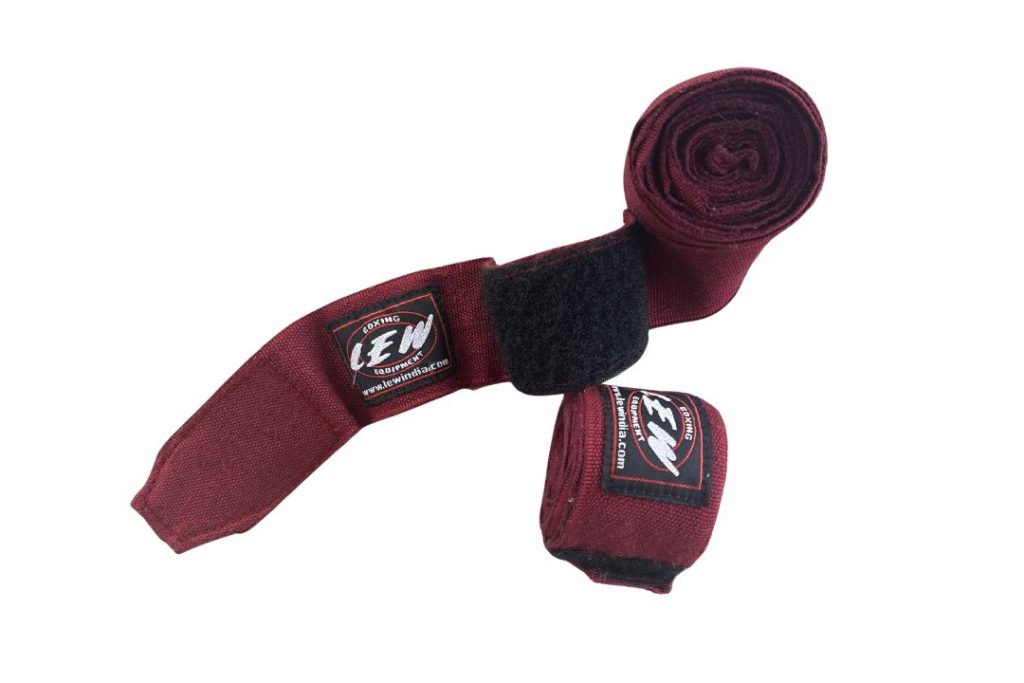
Why you need them: Your hands have 27 bones. When you punch a bag or pad without proper support, you’re asking for injuries, broken knuckles, sprained wrists, or worse. Hand wraps keep everything tight and protected.
I’ve seen tough guys skip wraps, thinking they’re being hardcore. Two weeks later, they’re sitting out with hand pain. Don’t be that person.
What to look for:
- Length: 4 to 4.5 meters (anything shorter won’t give you proper coverage)
- Material: Cotton or semi-elastic works best for beginners
- Features: Strong thumb loop and Velcro that actually stays closed
Pro tip: Learn to wrap properly. I show all my beginners the basic wrap technique in their first week. It takes 30 seconds once you know how.
2. MMA Gloves (If You’re Doing MMA Classes)
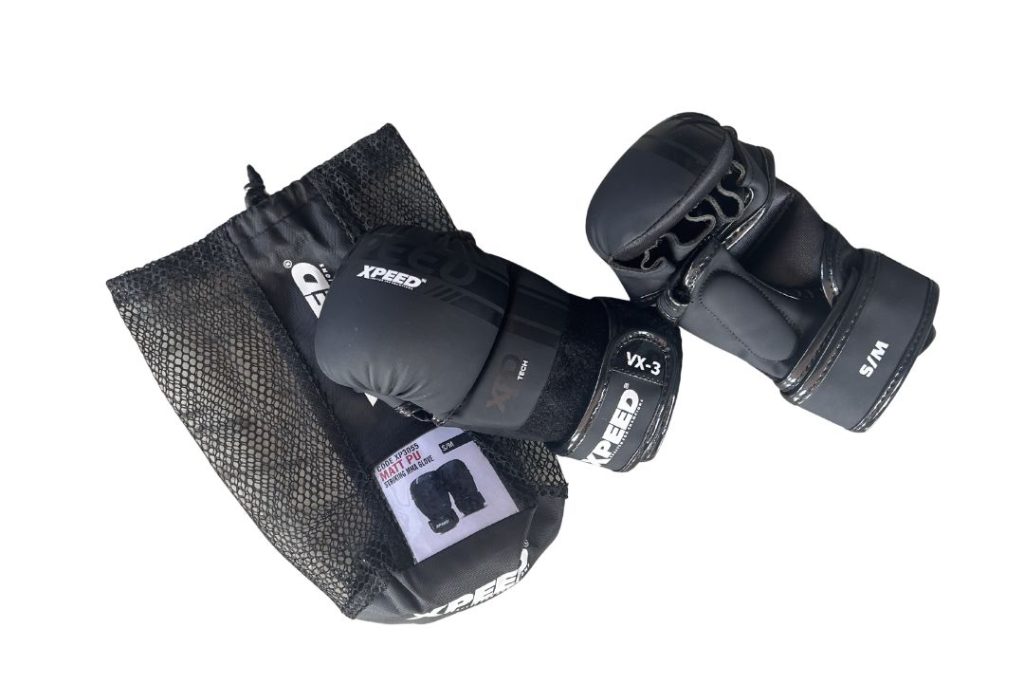
Why you need them: MMA gloves are different from boxing gloves. They have open fingers for grappling but padding for striking. You’ll use these for pad work, drilling techniques, and light sparring.
What to look for:
- Good wrist support (this prevents injuries during punches)
- Quality stitching (cheap gloves fall apart fast)
- Comfortable finger openings (you need to make a fist easily)
Real talk: Your first pair doesn’t need to be top-tier. Get something decent that protects your hands. You can upgrade later when you know what you prefer.
3. Boxing Gloves (For Muay Thai and Heavy Bag Work)
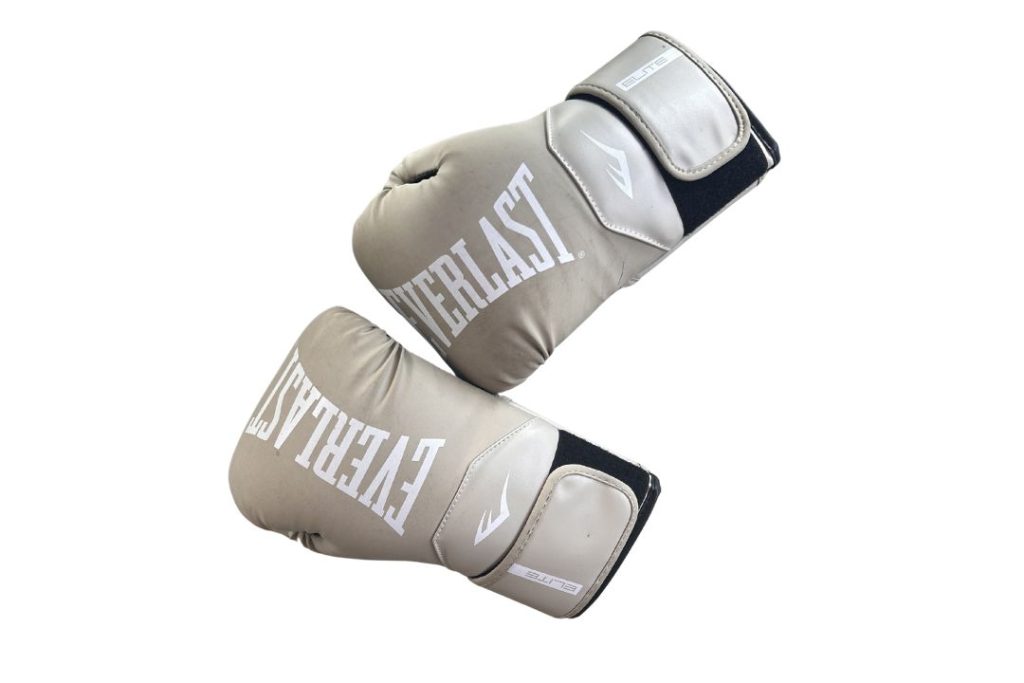
Why you need them: If you’re training Muay Thai or doing bag work, you need proper boxing gloves. They have more padding than MMA gloves and protect both you and your training partners.
What to look for:
- Weight: 12-14 oz for most beginners (men and women)
- Wrist strap: Should be secure and comfortable
- Inner lining: Soft padding that doesn’t bunch up
Common mistake: People buy 10-oz gloves thinking lighter is better. For training and sparring, 12-14 oz is standard. The extra padding protects everyone.
4. Mouthguard (Seriously, Don’t Skip This)
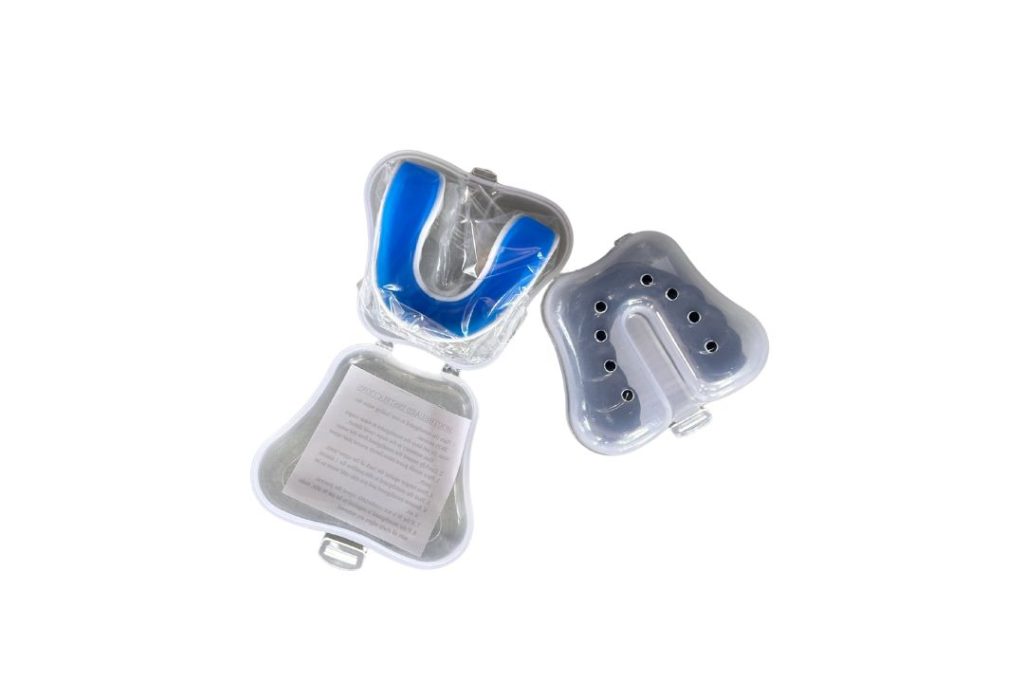
Why you need it: Dental work is expensive. A mouthguard is cheap insurance for your teeth.
Even in beginner drills, accidents happen. Someone throws a punch, you move wrong, and boom, there goes a tooth. I’ve seen it happen. Not fun.
What to look for:
- Boil-and-bite type (custom fit for your mouth)
- Comfortable enough that you can breathe and talk
- Good breathing channels
My advice: Spend 10 minutes fitting it properly at home. A poorly fitted mouthguard feels terrible, and people stop wearing it.
5. Groin Guard (For Male Fighters)
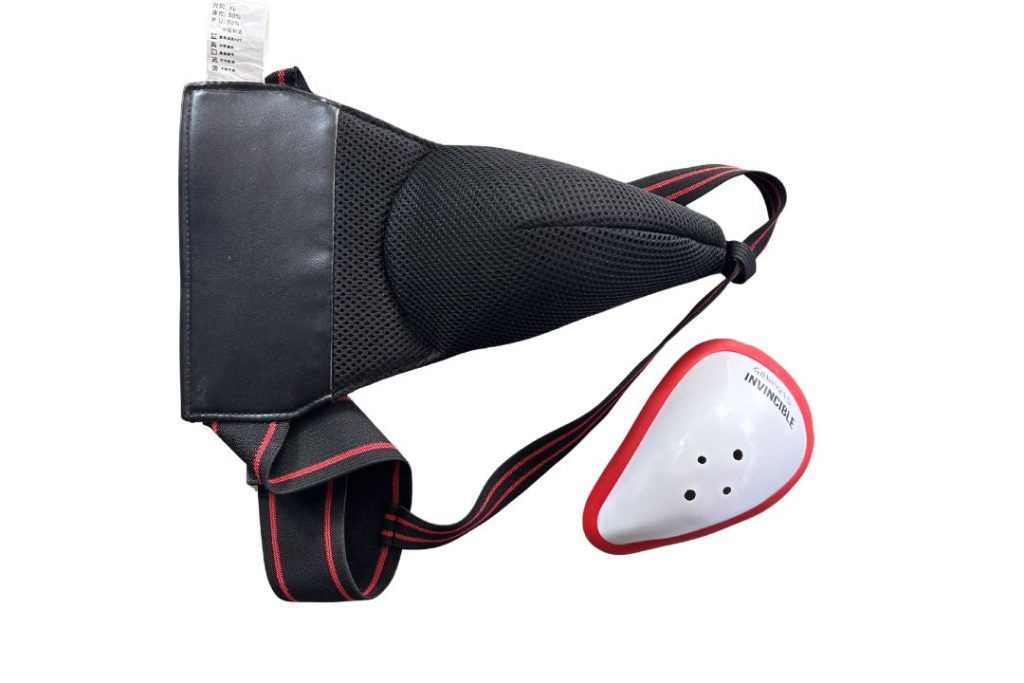
Why you need it: Look, accidental low blows happen in training. A lot. Even with the most careful partners.
I don’t care how tough you think you are—protect yourself. This is basic common sense.
What to look for:
- A proper cup that covers everything
- Comfortable waistband
- Stays in place during movement
Quick Shopping List: Stage 1 Essentials
Save time and grab all your day-one gear:
- Hand Wraps (Non-Negotiable)
- MMA Gloves (If You’re Doing MMA Classes)
- Boxing Gloves (For Muay Thai and Heavy Bag Work)
- Mouthguard (Seriously, Don’t Skip This)
- Groin Guard (For Male Fighters)
Stage 2: Level Up Your Gear (After 1-2 Months)
Once you’re training consistently—hitting the gym 2-3 times a week for a month or so—it’s time to invest in better equipment. Here’s what to add next.
1. Shin Guards (Essential for Muay Thai and MMA Kicking)
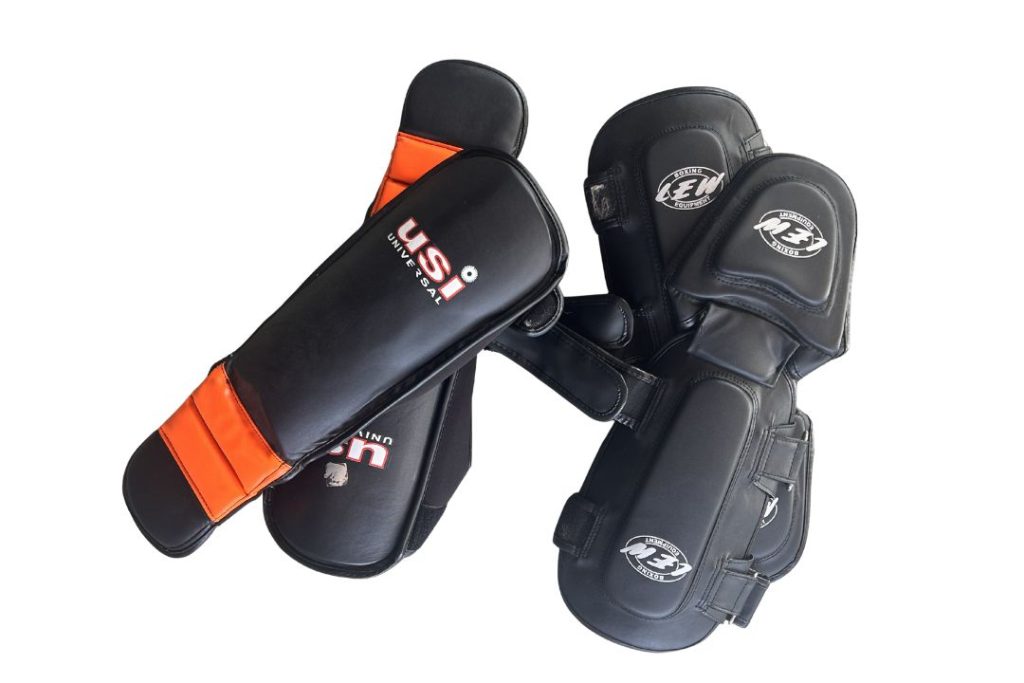
Why you need them: When you start practicing kicks with partners, shin guards become crucial. They protect your shins (and your partner’s arms and legs) from bruising and injury.
Raw shins against raw shins? That’s a recipe for pain and time off training.
What to look for:
- Thick padding (especially around the shin bone)
- Good ankle support
- Strong straps that don’t slip during training
My recommendation: Don’t wait too long to get these if you’re doing Muay Thai. After your first month, you’ll be kicking more, and you’ll need the protection.
2. Rash Guard (For Grappling and MMA Training)
Why you need it: If you’re doing any ground work, a rash guard protects your skin from mat burns and reduces the risk of skin infections. Plus, it’s way more comfortable than training shirtless or in a regular t-shirt.
What to look for:
- Compression fit (should be snug but not restrictive)
- Sweat-wicking material
- Strong stitching at the seams
Real-world benefit: In grappling, people are grabbing you. A rash guard prevents finger injuries from getting caught in loose clothing.
3. Training Shorts (MMA or Muay Thai Specific)
Why you need them: Regular gym shorts restrict your movement. Try throwing a high kick in basketball shorts—you’ll feel the difference immediately.
Fight shorts are designed for a full range of motion. Side slits, stretchy fabric, and proper fit make everything easier.
What to look for:
- Flexible material
- Comfortable waistband
- Not too long (shouldn’t cover your knees)
4. Headgear (Optional for Now)
Why you might need it: Once you start sparring harder, headgear adds protection. But honestly, most beginners don’t need this right away.
At TNT Combat Lab, we keep extra headgear for students who need it during sparring sessions. Check with your gym first before buying.
Complete Your Training Kit: Stage 2 Gear
Ready to upgrade? Get everything you need for advanced training:
- Shin Guards (Essential for Muay Thai and MMA Kicking)
- Rash Guard (For Grappling and MMA Training)
- Training Shorts (MMA or Muay Thai Specific)
- Headgear (Optional for Now)
The “Nice to Have” List
These aren’t essential, but they make training more comfortable:
- Gym bag: Keep all your gear in one place (and stop smelling up your car)
- Towel: Wipe down sweat between rounds
- Water bottle: Stay hydrated—this should be obvious
- Ankle supports: Helpful if you have weak ankles
- Knee pads: Extra protection during grappling (especially on rough mats)
A Word on Brands and Budget
Here’s my honest take: Your first gear doesn’t need to be expensive.
I’ve seen beginners spend ₹15,000 on premium gloves and quit after two months. I’ve also seen dedicated students train for years with mid-range gear and become excellent fighters.
What matters more than brand:
- Consistent training
- Good technique
- Listening to your coaches
- Taking care of your body
That said, super cheap gear (like ₹500 boxing gloves) often falls apart quickly or doesn’t protect you properly. Aim for the middle ground, decent quality that fits your budget.
If You’re in India (Amazon Options)
I usually point my students toward Amazon because:
- Easy returns if sizing is wrong
- Fast delivery (you can start training sooner)
- Decent budget-friendly options that actually work
The key is reading reviews and checking if the product has held up for other beginners.
Special Savings Tips
Pro tip: Amazon often runs sales on sports equipment. If you’re not in a rush, wait for:
- Great Indian Festival sales
- Prime Day deals
- End of season discounts
You can save 20-30% on the same gear. Join our TNT Combat Lab WhatsApp group where we share deal alerts.
My Final Advice After Training Hundreds of Beginners
Don’t stress about having perfect gear from day one.
I’ve seen people delay joining because they want to “get everything first.” That’s backwards thinking. Start training with the basics, see if you enjoy it, then invest more.
Your first pair of gloves will probably not be your last pair. Your preferences will change as you learn what you like and what works for your style.
Start with Stage 1 gear. Train consistently for a month. Then slowly add Stage 2 items as you need them.
The fighter who shows up three times a week with basic gear will always progress faster than the person with expensive equipment who only trains once a month.
Questions? Just Ask
Look, I know buying gear can feel confusing. That’s normal.
If you’re unsure about what to get, or if something doesn’t fit right, or if you’re wondering whether you need something, just ask. Seriously. Drop by the gym, send a message, whatever. We’re here to help you get started the right way.
At TNT Combat Lab, we want you to train safely, improve consistently, and actually enjoy the process. The right gear helps with that. But your commitment matters more than any equipment.
Welcome to the journey. Let’s get stronger together.
One More Thing…
Found this guide helpful?
Bookmark it and share it with someone who’s thinking about starting MMA or Muay Thai. We update our gear recommendations regularly based on what works for our students.
Save this guide and shop all recommended gear on Amazon India →
Full Disclaimer